Introduction
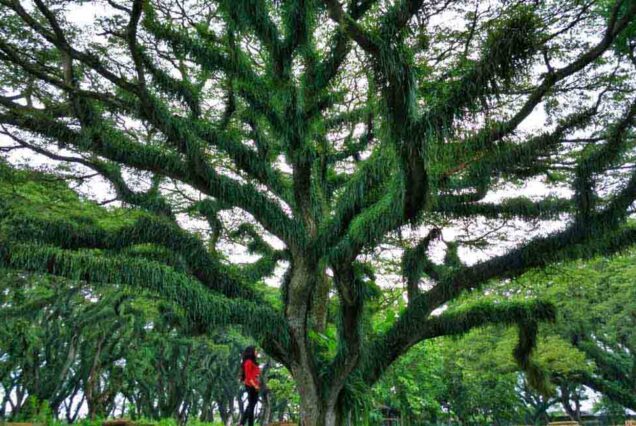
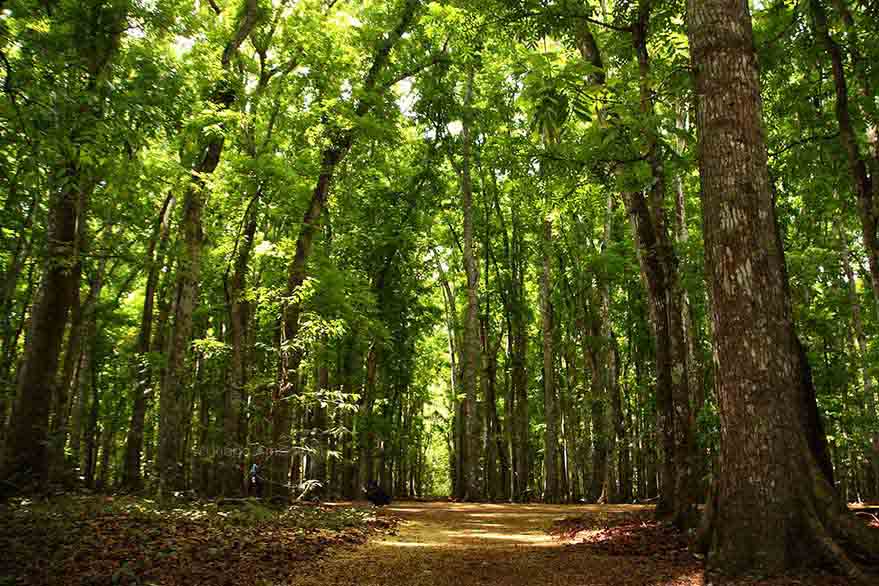
Alas Purwo National Park is often described as the oldest forest in Java, a rare ecosystem that has remained largely untouched by human exploitation. Unlike many Indonesian forests that have been cleared for industry or degraded by illegal logging, Alas Purwo continues to thrive as a sanctuary for wildlife and biodiversity.
Located at the eastern tip of Java in Banyuwangi, bordered by the Bali Strait to the east and the Indian Ocean to the south, the park combines pristine forest, savanna, mangroves, and beaches. In 2025, Alas Purwo has been officially recognized as part of the UNESCO Global Geopark Ijen, highlighting its global importance for conservation and eco‑tourism.
Ecosystems and Biodiversity
Alas Purwo is a lowland tropical forest with diverse ecosystems:
- Mangrove forests protect the coastline from strong waves.
- Bamboo forests dominate due to karst soil conditions.
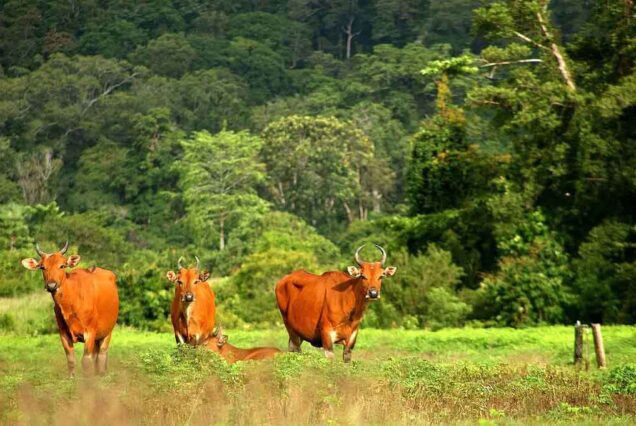
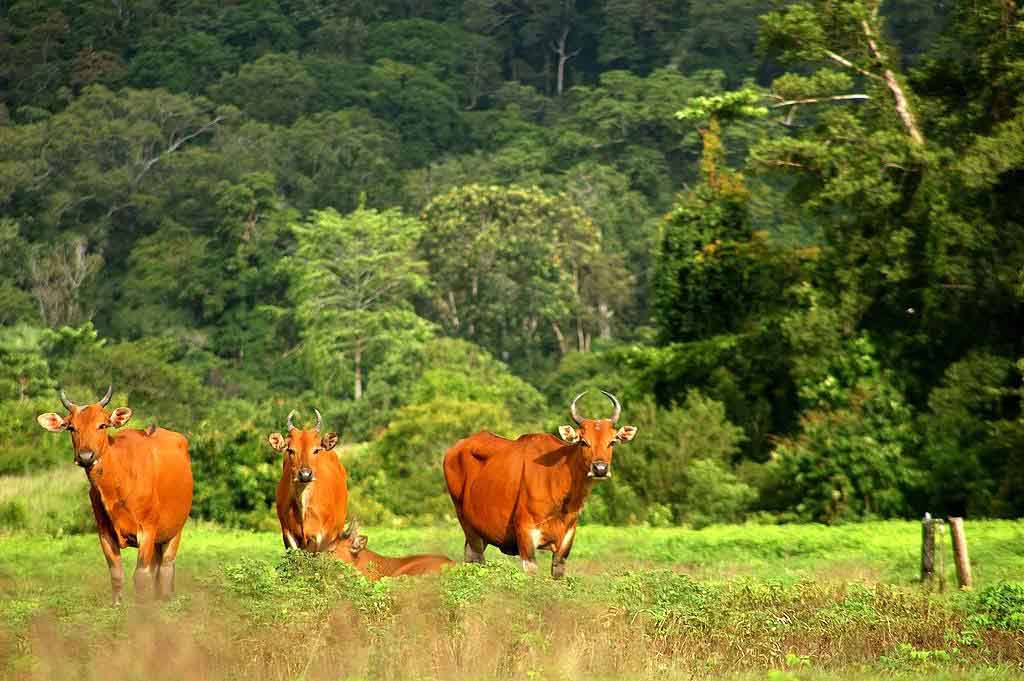
- Savannas provide habitat for Java bulls, wild boars, deer, monkeys, leopards, and wolves.
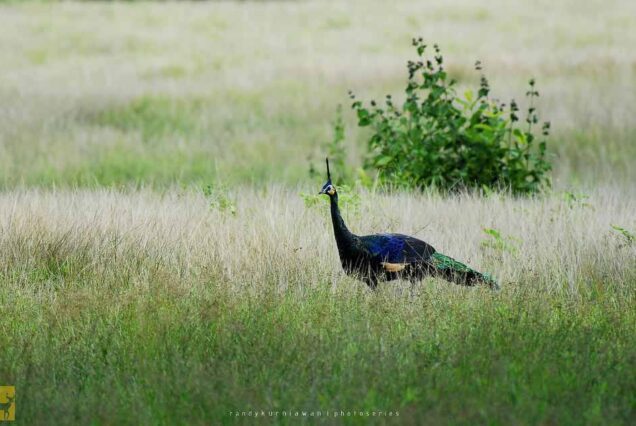
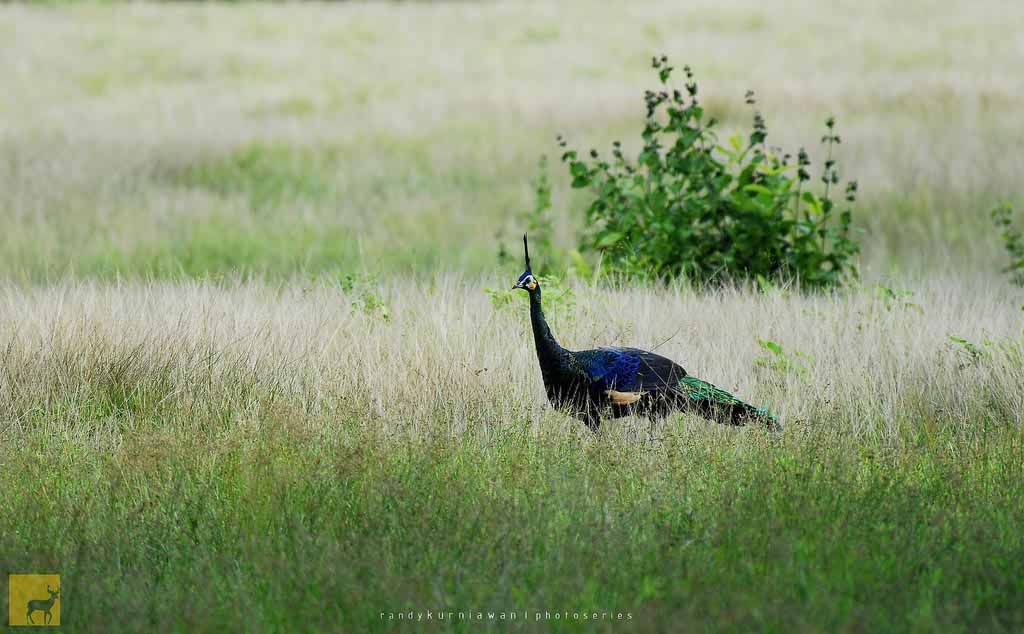
- Birdlife includes storks, peacocks, and over 250 species of aves.
- The park sustains more than 700 plant species, plus reptiles and other fauna, making it one of Java’s richest biodiversity reserves.
Local beliefs that the forest is “wingit” (mystical and sacred) have also contributed to its protection, alongside strict conservation management.
Exploration Spots in Alas Purwo
Sadengan Savanna
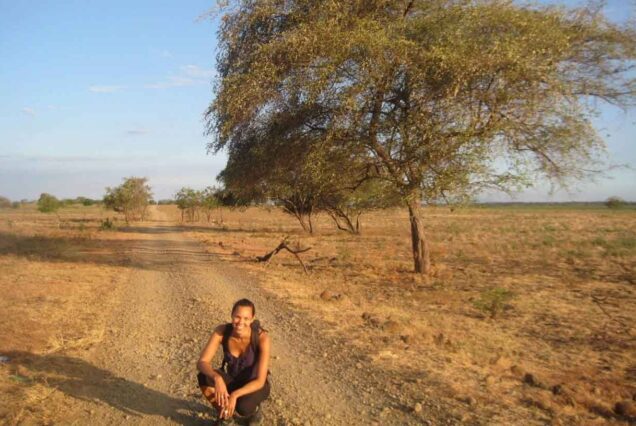
Sadengan is often called the “Little Africa of Java” because of its wide grasslands and abundant wildlife. Visitors can watch herds of Java bulls (banteng) grazing alongside deer, wild boars, and monkeys. Predators such as leopards and wolves also roam the area, maintaining a natural balance in the ecosystem. The best time to visit is during the dry season (May–October), when animals gather at watering holes, making sightings easier. Observation towers are available for safe and panoramic viewing, offering photographers and nature lovers a chance to capture unforgettable moments.
Caves
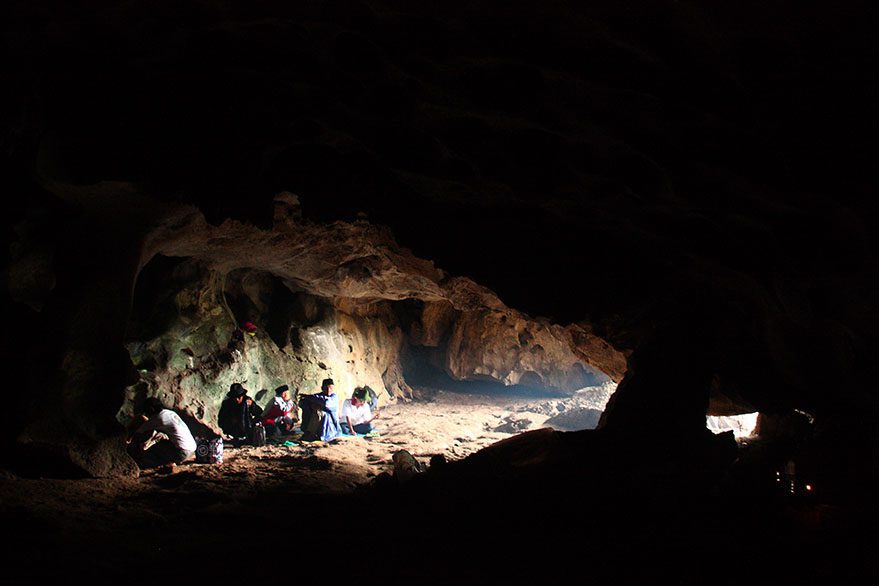
Alas Purwo is home to dozens of caves, many of which are steeped in mystical traditions. Some caves, like Goa Istana and Goa Mayangkoro, are still used by pilgrims and hermits for meditation and spiritual retreats. The caves are surrounded by dense forest, creating an atmosphere of mystery and tranquility. Exploring these caves gives visitors insight into the cultural and spiritual significance of Alas Purwo, where local beliefs about sacred energy (“wingit”) continue to protect the forest from exploitation.
Beaches
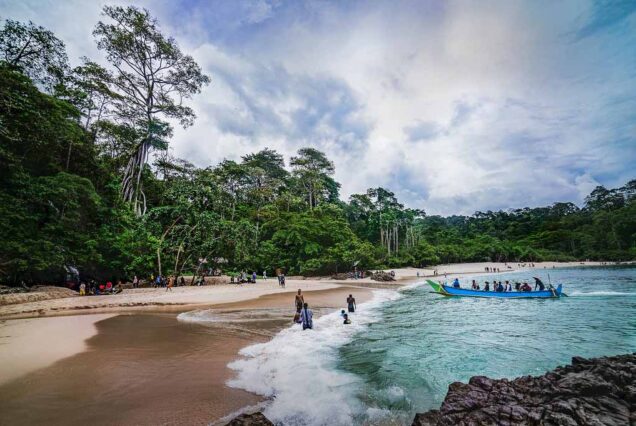
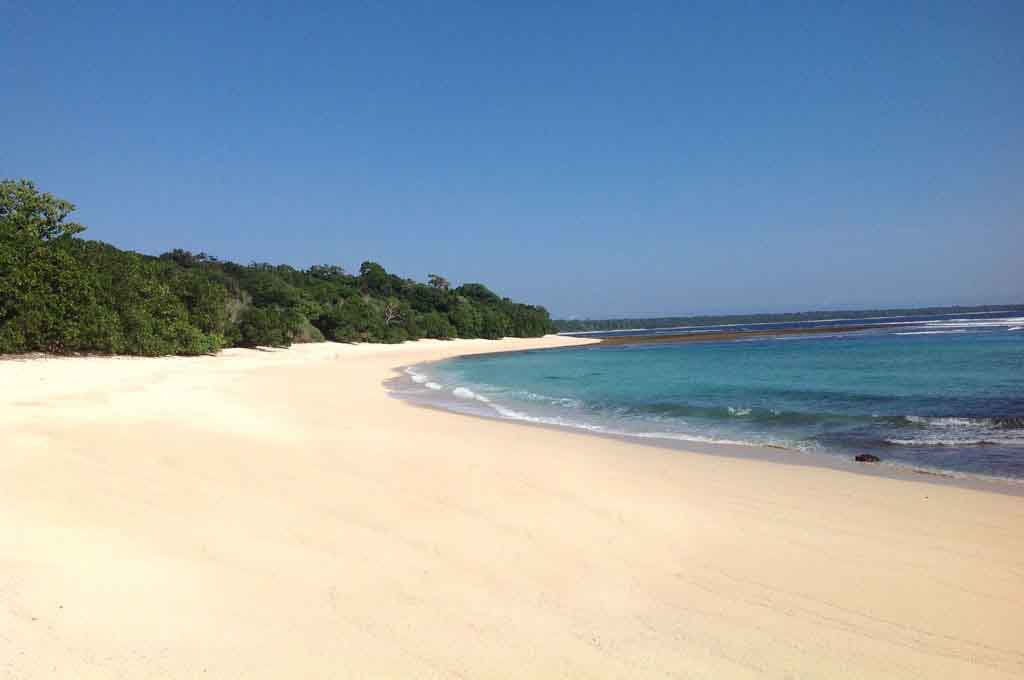
The park’s coastline stretches along the Indian Ocean, offering diverse beach experiences:
- Plengkung (G‑Land) – Famous worldwide for surfing, with waves reaching 6–8 meters, attracting professionals from across the globe.
- Grajakan Beach – A fishing village and gateway for surfers traveling by boat from Bali. It’s also a great spot to observe local coastal life.
- Bedul Beach – Known for its mangrove forest tours, where visitors can take traditional boats to explore rich ecosystems.
- Triangulation & Pancur Beaches – Scenic, quiet beaches ideal for relaxation, picnics, and enjoying the coastal landscape.
- Ngagelan Beach – A turtle nesting site where conservation programs protect endangered species.
Each beach offers a different experience, from adrenaline‑pumping surf to peaceful nature exploration.
Turtle Conservation – Ngagelan
Ngagelan Beach is the heart of turtle conservation in Banyuwangi. Between April and September, several species of sea turtles, including green turtles, olive ridleys, and leatherbacks, come ashore to lay eggs in the warm sand. Conservation teams protect nesting sites, monitor hatchlings, and organize educational programs for visitors. Guests can witness the magical moment of baby turtles being released into the ocean, a highlight for families and eco‑tourists alike.
Pura Luhur Giri Salaka
This Hindu temple is a sacred site located within Alas Purwo. On holy days, worshippers from Bali and Java gather here for ceremonies, reinforcing the park’s spiritual aura. The temple is surrounded by forest, adding to its mystical atmosphere. Visitors can observe traditional rituals and gain insight into the cultural connection between nature and spirituality in Banyuwangi. Respectful behavior is essential when visiting, as the temple remains an active place of worship.
How to Get to Alas Purwo National Park
- From Banyuwangi City: The park is about 65 km south of Banyuwangi. Travel by car or motorcycle via Rogojampi – Benculuk – Tegaldlimo – Pancur.
- From Jember: Head east toward Banyuwangi, then connect to the same route through Benculuk.
- From Pancur: Private vehicles must stop here. Shuttle transport operated by the park takes visitors to Plengkung and other key spots. The cost in 2025 is Rp250,000–Rp300,000 per person.
- From Bali: Many international surfers prefer arriving by speedboat from Bali directly to Grajakan or Plengkung.
- Travel Time: From Banyuwangi city, expect about 2–3 hours by road to Pancur, plus shuttle time into the park.
Why Visit in 2025
- Recognized as part of the UNESCO Global Geopark Ijen.
- Home to 700+ plant species and diverse wildlife.
- Offers eco‑tourism experiences combining forest, savanna, beaches, and culture.
- World‑class surfing at G‑Land Plengkung Beach.
- Conservation programs for turtles and protected fauna.